Natural Intimate Lubricant: Which One to Choose for Optimal Comfort?
Intimate dryness can impact daily comfort and pleasure. Fortunately, natural lubricants offer a gentle and effective alternative to restore soothed intimacy. Discover how to choose and use them properly.
Whether for sexual intercourse, medical exams, or simply to relieve temporary dryness, a suitable natural lubricant can make all the difference. But how do you navigate the many options available? Here’s our expert advice.
Nuestra selección — 2 productos
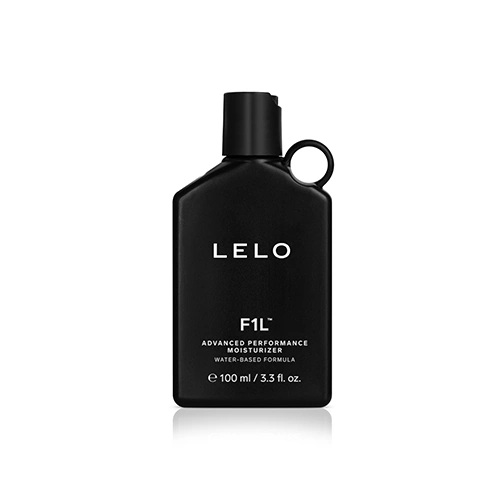
Premium water-based lubricant, expertly designed to pair with LELO devices. Paraben- and glycerin-free, condom-compatible, and perfect for sensitive skin. Its silky, smooth texture leaves no sticky residue, enhancing natural hydration for a heightened sensual experience.
- ✓ Compatible avec les appareils LELO
- ✓ Sans parabènes ni glycérine
- ✓ Compatible avec les préservatifs
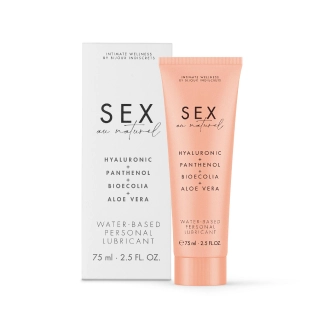
**COMFORT** is essential! This water-based intimate lubricant enhances natural lubrication and supports a healthy microbiome. With low osmolality and a pH balanced for intimate wellness, it keeps your vagina hydrated and supple, improving elasticity for optimal comfort. For use alone or with a partner—it’s vegan, glycerin-free, paraben-free, fragrance-free, dye-free, and free from endocrine disruptors.
- ✓ Favorise la lubrification naturelle et préserve un microbiote sain
- ✓ Faible osmolalité et pH adapté à l'équilibre intime
- ✓ Maintient le vagin hydraté et souple, améliorant l'élasticité
🔗 Enlaces de afiliados — mismo precio para ti
Why Choose a Natural Intimate Lubricant?
Natural lubricants are formulated from plant-based or mineral ingredients, without parabens, synthetic fragrances, or endocrine disruptors. They are particularly recommended for sensitive or allergic individuals or those seeking a healthier approach to their intimacy. Unlike conventional lubricants, they preserve the balance of the vaginal microbiome and respect the mucous membrane.
Their pH is often close to that of the vagina (between 3.8 and 4.5), which minimizes the risk of irritation or infection. Additionally, they are biodegradable and environmentally friendly, an important quality for those concerned about their ecological footprint.
The Different Types of Natural Lubricants
Water-Based Lubricants
Water-based lubricants are the most common and versatile. They are compatible with condoms (latex or polyisoprene) and sex toys. Their texture is light and easy to rinse off. However, they may require frequent reapplication, especially in cases of intense dryness.
Example ingredients: Aloe vera, vegetable glycerin, hyaluronic acid.
Silicone-Based Lubricants
Silicone-based lubricants provide long-lasting slipperiness and do not dry out as quickly as water-based ones. They are ideal for prolonged intercourse or sexual play. However, they are not compatible with silicone toys, as they can degrade them.
Example ingredients: Dimethicone, cyclomethicone.
Oil-Based Lubricants
Oil-based lubricants, often made from coconut or jojoba oil, are very nourishing and hydrating. They are particularly suitable for dry skin or sensitive mucous membranes. However, they are not compatible with latex condoms, as they can weaken them.
Example ingredients: Virgin coconut oil, jojoba oil, sweet almond oil.
Plant-Based Lubricants
Some natural lubricants include plant extracts with soothing or stimulating properties. For example, aloe vera hydrates and soothes irritation, while ginseng can boost libido. These products are often enriched with vitamins to enhance tissue elasticity.
Example ingredients: Aloe vera, chamomile, ginseng, vitamin E.
How to Choose Your Natural Lubricant?
Tailor the Lubricant to Your Needs
The choice of lubricant depends on several criteria:
- The cause of dryness: menopause, breastfeeding, stress, medication, etc.
- The type of activity: sexual intercourse, masturbation, medical exam, etc.
- Skin sensitivity: allergies, reactive skin, etc.
For dryness related to menopause, opt for a hyaluronic acid-based lubricant, which provides deep hydration. If you have allergies, choose a hypoallergenic product and test it on a small area of skin first.
Check the Composition
Read the label carefully to avoid undesirable ingredients like parabens, synthetic fragrances, or dyes. Opt for certified organic products or those with a dermatological label. Natural lubricants should be safe for mucous membranes and not disrupt the vaginal balance.
Test the Texture and pH
The texture should match your preferences: light for daily use, thick for long-lasting hydration. The lubricant’s pH should be close to that of the vagina (between 3.8 and 4.5) to avoid discomfort. Some products indicate their pH on the packaging.
Mistakes to Avoid with Natural Lubricants
- Do not use oil-based lubricants with latex condoms: This can weaken the condom and reduce its effectiveness.
- Do not share a lubricant: Even natural lubricants can transmit bacteria or viruses.
- Do not use an expired lubricant: Check the expiration date to avoid irritation.
- Do not apply too much product: A small amount is usually enough for good lubrication.
When to Consult a Professional?
If intimate dryness persists despite using a natural lubricant, it is advisable to consult a gynecologist or sexologist. Chronic dryness may be a symptom of a hormonal imbalance, infection, or another condition requiring specific treatment.
Similarly, if you experience pain, bleeding, or itching after using a lubricant, stop using it immediately and consult a healthcare professional.
Conclusion: Choose Wisely for a Fulfilling Intimacy
Natural intimate lubricants are a gentle and effective solution for restoring comfort and pleasure. By choosing a product suited to your needs and checking its composition, you can enjoy soothed intimacy without risking your health. Don’t hesitate to try different types of lubricants to find the one that works best for you.
FAQ: Your Questions About Natural Lubricants
Can a natural lubricant replace medical treatment for vaginal dryness?
A natural lubricant can relieve symptoms of vaginal dryness, but it does not replace medical treatment if the dryness is caused by a hormonal imbalance (such as menopause) or a medical condition. In such cases, consult a healthcare professional for a diagnosis and appropriate treatment.
Can you use a natural lubricant during pregnancy?
Yes, most natural lubricants are safe during pregnancy, provided they are hypoallergenic and fragrance-free. However, avoid products containing essential oils, which can be irritating. Opt for water-based or hyaluronic acid-based lubricants.
How should you store your natural lubricant to make it last longer?
To extend the life of your natural lubricant, store it in a cool, dry place, away from light and heat. Avoid leaving it in the bathroom, where humidity can alter its composition. Always close the bottle tightly after each use to prevent contamination.
Are natural lubricants compatible with sex toys?
Most water-based or silicone-based natural lubricants are compatible with sex toys. However, oil-based lubricants can damage silicone toys. Always check the manufacturer’s instructions before use.
Can you use a natural lubricant for gynecological exams?
Yes, some water-based natural lubricants are recommended to facilitate gynecological exams, as they do not interfere with test results. Choose a sterile, hypoallergenic product and inform your doctor of its use.
Preguntas frecuentes
What is the best natural lubricant for intense dryness related to menopause?↓
Can you use a natural lubricant with a latex condom?↓
How can you tell if a natural lubricant is suitable for sensitive skin?↓
Are natural lubricants effective for men suffering from intimate dryness?↓
Can a natural lubricant help reduce pain during sexual intercourse?↓
🔗 Enlaces de afiliados — mismo precio para ti

Por Léa
Periodista · Bloguera