Finding the Perfect Natural Lubricant for Fulfilling Intimacy Without Compromise
"Discover how to choose a natural lubricant tailored to your needs for comfort and pleasure, without irritation or discomfort."
When Intimacy Becomes a Topic of Conversation… and Relief
There are nights when everything feels effortless: bodies respond, movements flow, and pleasure comes naturally. Then there are those other nights—despite desire and attraction, something feels off. A hint of discomfort, unexpected dryness, or friction that disrupts the moment. You might have experienced this before, wondering, "Why is this so difficult tonight?" only to realize the issue might be the absence of that discreet yet invaluable ally: lubricant.
What if the solution was more natural than you thought? Natural intimate lubricants have the power to transform what could become a frustrating experience into a moment of effortless connection. But how do you navigate the options? Which ingredients should you prioritize? And most importantly, how do you choose the one that truly fits your needs, your body, and your rhythm?
Let’s dive into the world of natural lubricants, where gentle science and intimate well-being meet to offer you fulfilling intimacy without compromise.
Why Natural Is the Best Choice for Your Intimacy
Imagine your vaginal mucosa as a delicate ecosystem—a private garden where every element plays a precise role. Endocrine disruptors, synthetic fragrances, or harsh preservatives act like intruders, disrupting this balance. Natural lubricants, on the other hand, respect this fragile microflora. Their secret? A minimalist composition, often made from ingredients nature has already tested and approved.
Take aloe vera, for example: this ancient plant is far more than just a refreshing gel. Rich in vitamins and enzymes, it deeply hydrates while soothing irritation. Its pH, close to that of the vagina (between 3.8 and 4.5), makes it an ideal ally for avoiding discomfort like itching or infections. Unlike conventional lubricants, it doesn’t leave a greasy or sticky film, making its use discreet and pleasant.
Another major advantage: biodegradability. In a world where every action counts for preserving our planet, choosing an eco-friendly product is no longer optional—it’s essential. Natural lubricants break down without leaving traces, unlike some chemical products that pollute water and soil.
But beware: not all natural lubricants are created equal. Some may still contain traces of preservatives or controversial ingredients. That’s why it’s crucial to read labels carefully. Opt for organic certifications (like Ecocert or Cosmebio) or dermatological labels, which guarantee a flawless formulation.
Nos sélections
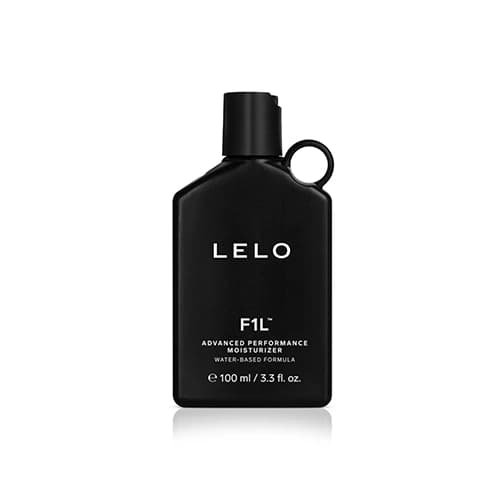
LELO - F1L
24.9 €
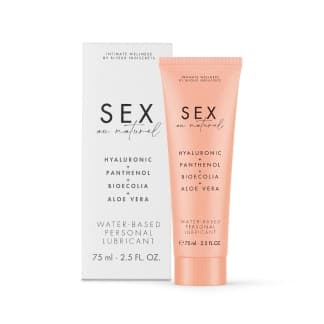
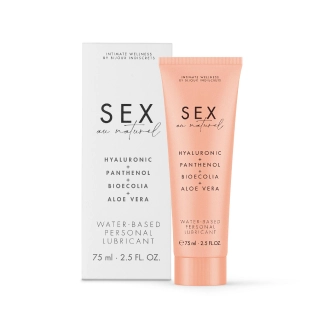
LELO - NATURAL SEX PERSONAL LUBRICANT
23.9 €
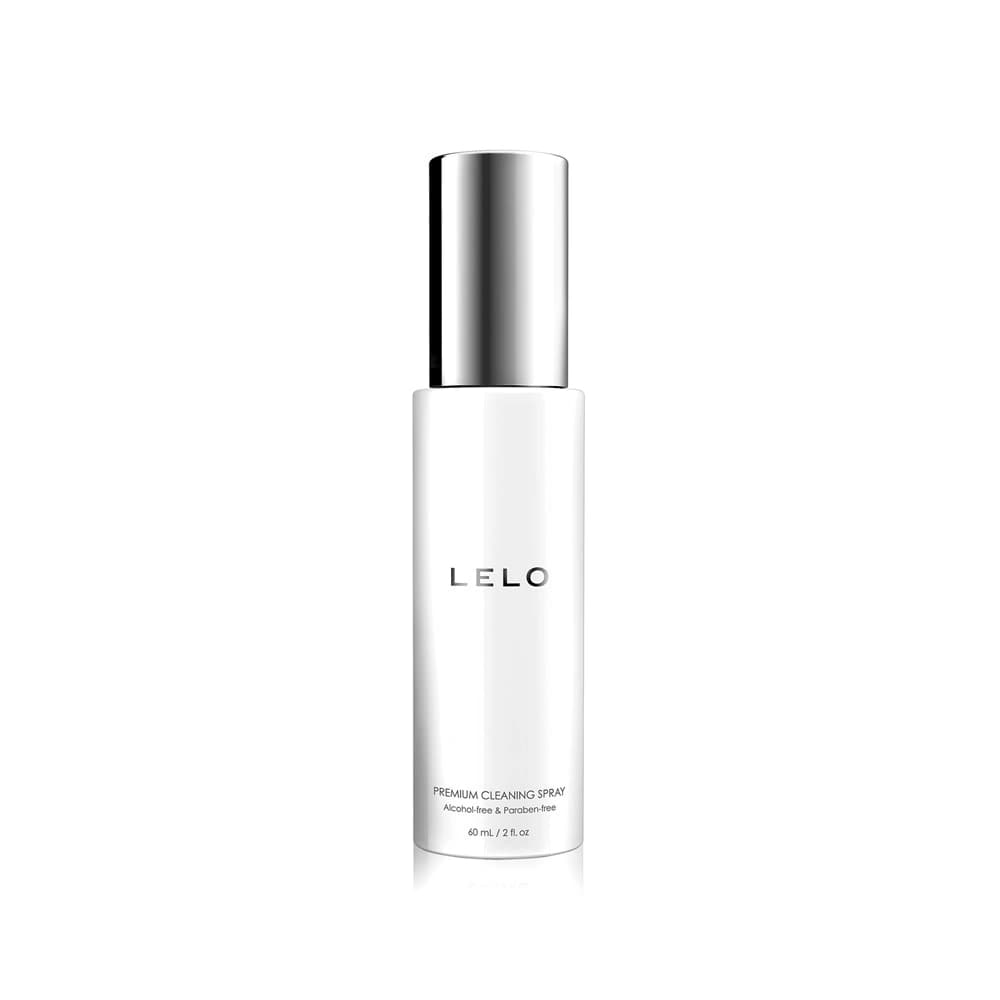
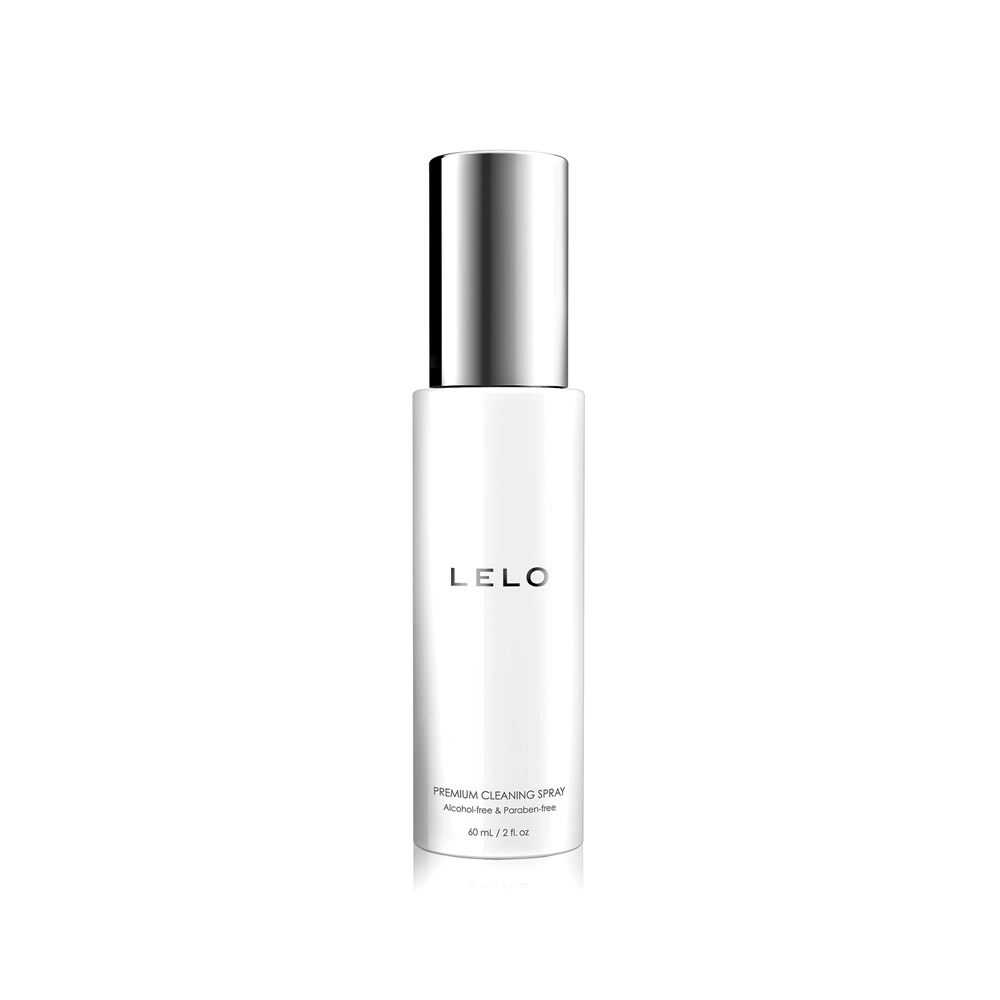
LELO - TOY CLEANING SPRAY
13.9 €
Liens affiliés — même prix pour vous
The 4 Types of Natural Lubricants: How to Choose?
Every body, every story, and every moment in life is unique. That’s precisely why there are several types of natural lubricants, each with its strengths and limitations. Here’s an overview to help you see more clearly.
1️⃣ Water-Based Lubricants: Everyday Versatility
If water-based lubricants are the most common, it’s because they adapt to almost every situation. Their light texture and easy rinsing make them an ideal choice for daily use, whether for sex, masturbation, or even a medical exam.
Their advantages:
- Compatible with condoms (latex or polyisoprene) and silicone sex toys.
- No greasy residue, allowing the skin to breathe.
- Easy to dose: a small amount is usually enough.
Their limitations:
- Their effect may be short-lived, especially in cases of intense dryness. You might need to reapply several times.
- Some contain vegetable glycerin, which can attract bacteria in sensitive individuals.
For whom? For those seeking a simple, risk-free product for regular use. Perfect for couples who enjoy variety without overcomplicating things.
Key ingredients: Organic aloe vera, vegetable glycerin, hyaluronic acid, chamomile extract.
2️⃣ Silicone-Based Lubricants: Long-Lasting Glide
If you dream of a glide that doesn’t fade after a few minutes, silicone-based lubricants are for you. Their thick texture and long-lasting action make them a preferred choice for extended sex or intense play.
Their advantages:
- Long-lasting lubrication, even in the shower.
- Smooth texture that perfectly contours the body.
- No risk of sudden dryness.
Their limitations:
- Incompatible with silicone sex toys: they can degrade them after a few uses. Always check compatibility if using accessories.
- Difficult to rinse off: a mild soap will be needed for complete removal.
For whom? For couples who enjoy taking their time, or for those suffering from chronic vaginal dryness seeking a long-term solution.
Key ingredients: Dimethicone, cyclomethicone, medical-grade silicone oil.
3️⃣ Oil-Based Lubricants: Nourishing Comfort
Virgin coconut oil, jojoba oil, or sweet almond oil—these nutrient-rich ingredients are essential for dry skin or sensitive mucous membranes. Their hydrating power surpasses that of other lubricants, making them a top choice for moments when your body needs extra care.
Their advantages:
- Intense and long-lasting hydration.
- Rich texture that envelops the skin without leaving an unpleasant film.
- Some ingredients, like jojoba oil, have anti-inflammatory properties.
Their limitations:
- Incompatible with latex condoms: they can weaken them and reduce effectiveness. Opt for polyisoprene condoms if using them together.
- Difficult to remove: cleaning with water and soap will be necessary.
For whom? For those suffering from severe vaginal dryness, or for those who enjoy rich, enveloping textures. Also ideal for sensual massages before intimacy.
Key ingredients: Organic virgin coconut oil, jojoba oil, sweet almond oil, shea butter.
4️⃣ Plant-Based Lubricants: Active Softness
What if your lubricant could do more than just hydrate? Some natural lubricants include plant extracts with targeted properties: soothing, stimulating, or even reparative. Aloe vera to calm irritation, ginseng to boost libido, chamomile to relax—these products work deeply to offer both a sensory and therapeutic experience.
Their advantages:
- Soothing or stimulating effects depending on the ingredients.
- Rich in vitamins and antioxidants to strengthen tissue elasticity.
- Often hypoallergenic and suitable for sensitive skin.
Their limitations:
- Some ingredients, like essential oils, can irritate sensitive mucous membranes. Always check the composition.
- Texture may vary by brand: some are very light, others thicker.
For whom? For those seeking a holistic approach to intimate well-being, or who want to combine pleasure with natural care.
Key ingredients: Aloe vera, chamomile, ginseng, vitamin E, calendula.

How to Choose the Lubricant That’s Right for You?
As you’ve seen, there’s no universal natural lubricant. The best product for you depends on your body, your needs, and your desires. Here’s a 3-step method to make the right choice.
Step 1: Identify the Cause of Your Dryness
Intimate dryness doesn’t always have the same origin. It can be temporary (stress, fatigue, seasonal changes) or chronic (menopause, breastfeeding, medication).
- Menopause-related dryness: Opt for a hyaluronic acid-based lubricant, which deeply hydrates and restores tissue elasticity.
- Postpartum or breastfeeding dryness: Choose an ultra-gentle, fragrance-free product with aloe vera or calendula.
- Stress or fatigue-related dryness: A lubricant with relaxing plant extracts (like chamomile) can help ease both body and mind.
- Medication-induced dryness (antidepressants, antihistamines, etc.): Consult your doctor to assess the treatment’s impact, then choose a hypoallergenic lubricant.
Pro tip: Keep an intimacy journal for a few weeks to note when dryness is most pronounced. This will help you identify triggers and adjust your choice.
Step 2: Test the Texture and pH
A lubricant’s texture is a matter of personal preference. Some love the lightness of a water-based gel, while others prefer the richness of an oil. But beyond sensory pleasure, there’s a technical criterion not to overlook: pH.
The vagina has a naturally acidic pH (between 3.8 and 4.5), which plays a key role in protecting against infections. A lubricant with a pH close to this value respects this delicate balance. Some products clearly state this on the packaging. If not, be wary of overly alkaline lubricants, which could disrupt your vaginal flora.
How to test? Apply a small amount of lubricant to the inside of your wrist or forearm. Observe the texture, scent, and feel. If it suits you, move on to the next step: testing on mucous membranes.
Step 3: Check the Composition and Certifications
A natural lubricant should be… natural. But how can you be sure? Here’s what to look for on the label:
- Avoid: parabens, synthetic fragrances, dyes, phenoxyethanol, and any ingredient with an unpronounceable name.
- Prioritize: organic certifications (Ecocert, Cosmebio, Natrue), dermatological labels (like the French Dermatology Association label), and mentions like "allergen-free" or "hypoallergenic."
- Be cautious: Lubricants containing essential oils (lavender, tea tree, etc.) can irritate sensitive mucous membranes. If you’re prone to allergies, opt for a fragrance-free product.
A habit to adopt: Before using a new lubricant, test it on a small area of skin (like the inside of your wrist) 24 hours before applying it to mucous membranes. This will help you check for any reactions.
Pitfalls to Avoid for a Flawless Experience
Even with the best lubricant, a few mistakes can turn a sensual moment into frustration. Here are the pitfalls to know for full enjoyment.
❌ Not Checking Compatibility with Condoms or Toys
- With latex condoms: Only water-based or silicone-based lubricants are compatible. Oil-based lubricants can weaken latex and increase the risk of breakage.
- With sex toys: Oil-based or silicone-based lubricants can damage silicone toys. Opt for water-based lubricants for safe use.
Did you know? Some condoms are already lubricated. If so, you may not need additional lubricant. Just check if the existing lubrication meets your needs.
❌ Sharing Your Lubricant… Even with Your Partner
Even natural lubricants can transmit bacteria or viruses. Always use a clean applicator or a small amount on your fingers to avoid cross-contamination.
❌ Using an Expired Lubricant
Like any cosmetic product, lubricants have a limited shelf life. Check the expiration date on the packaging, and discard the product if it changes in smell, texture, or color.
❌ Using Too Much… or Too Little
- Too much: A small amount (about 2-3 ml) is usually enough for good lubrication. Overdoing it can make things too slippery and uncomfortable.
- Too little: If dryness persists, don’t hesitate to reapply. Ideally, apply the lubricant 10-15 minutes before sex to allow it to penetrate fully.
When to See a Doctor? Listen to Your Body and Don’t Ignore Warning Signs
Even the best natural lubricant won’t resolve all causes of intimate dryness. If symptoms persist despite its use, or if they’re accompanied by pain, bleeding, or itching, it’s time to consult a professional.
Signs That Should Alert You:
- Pain during sex (dyspareunia) that doesn’t go away with lubricant.
- Bleeding after sex or lubricant application.
- Persistent itching or burning.
- Worsening dryness despite care.
These symptoms may indicate a hormonal imbalance (like estrogen deficiency during menopause), an infection (yeast infection, bacterial vaginosis), or an allergic reaction. A gynecologist or sexologist can help identify the cause and recommend appropriate treatment.
A note on menopause: The drop in estrogen during this period can lead to severe vaginal dryness. In this case, a hyaluronic acid-based lubricant or local hormonal treatment (prescription required) may be necessary for optimal comfort.
Conclusion: Rediscover Intimacy Without Taboos or Compromises
Choosing a natural lubricant is about more than just checking a box on a shopping list. It’s about giving your body the care it deserves while preserving its balance and pleasure. Whether you’re looking for a solution to temporary dryness, an eco-friendly product, or simply a way to spice up your moments together, natural lubricants uniquely combine gentleness and effectiveness.
But beyond the product, it’s also about listening to and being kind to yourself. Intimate dryness isn’t inevitable, and today there are solutions to overcome it without giving up pleasure. So why not use this as an opportunity to rediscover your body, its needs, and its desires?
What’s your experience with natural lubricants? Have you found your perfect product, or are you still searching for the ideal match? Share your stories in the comments or ask your questions—your experience might inspire others to take the step toward a more serene and fulfilling intimacy.
Little gift for you: Before diving in, here’s a discreet way to test your lubricant. Apply a small amount to your wrist and let it sit for 10 minutes. If the sensation is pleasant and your skin doesn’t react, you can use it with confidence. Happy exploring!

Par Léa
Journaliste · Blogueuse